Story file
What is RTP in casino games? How live tables print it
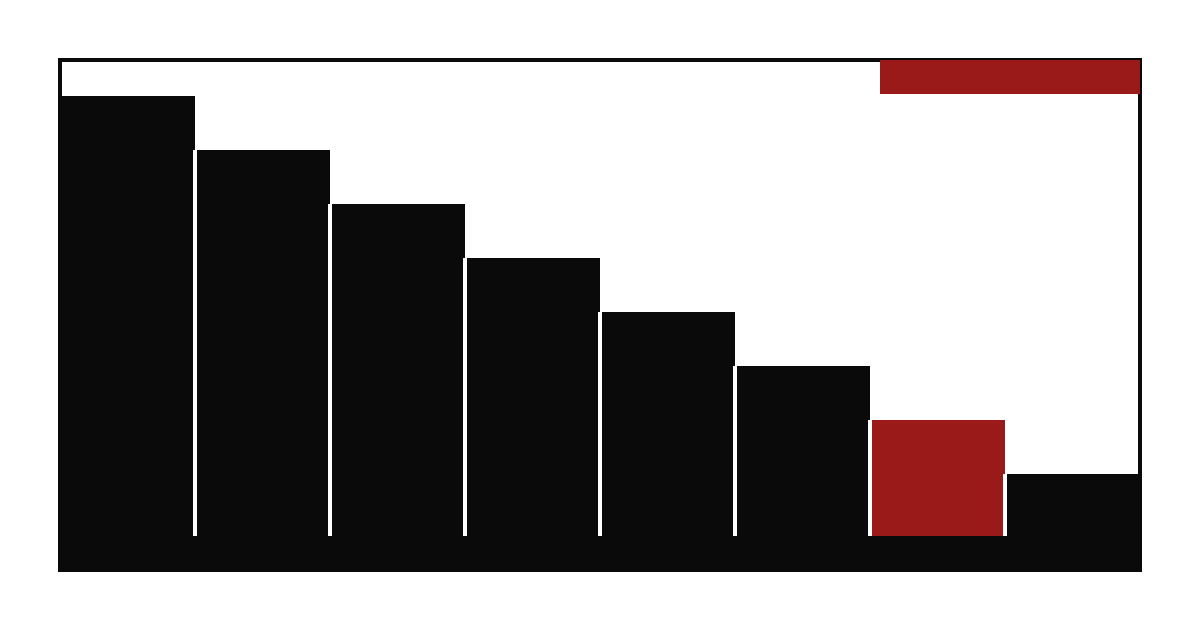
RTP is the long-run share of stakes a game returns; 100 minus RTP is the house edge. Eight live-game RTPs as PokerStars prints them, read 30 October 2026.

RTP, or return to player, is the share of all money staked that a casino game is designed to pay back to players over the long run. Its complement is the house edge: a 98% RTP is a 2% edge. At live tables it can be printed per game in the game rules, and on game shows sometimes per bet.
That is the whole definition. The rest of this piece is about where a live-dealer player actually finds the number, because the general explainers this desk read on what is RTP in casino games do not name a live game’s published figure. This is an evergreen explainer; the only dated element is the day this desk read the pages below.
What is RTP in casino games, in one line of arithmetic?
RTP plus house edge equals 100%. LiveDealer.org puts it plainly: theoretical return, RTP and house edge are different expressions for the same concept, assuming optimal play over a long period. Its own example is a 98% rate: for every $100 staked, $98 comes back and the house keeps $2.
Two words in that sentence do the work. “Optimal” means the figure assumes correct decisions where the game allows any, as in blackjack. “Long period” means millions of rounds, not your Tuesday evening.
Where do live tables print their RTP?
In the pages this desk read, the number lives with the operator. LiveDealer.org notes that providers increasingly publish theoretical returns on game rules pages, typically reached from a help (?) button inside the game. PokerStars goes further and prints them on public how-to-play pages. This desk read eight of them on 30 October 2026. The figures are PokerStars’; the house-edge column is this desk’s subtraction.
| Live game (PokerStars page) | Printed RTP | House edge | PokerStars’ qualifier |
|---|---|---|---|
| Infinite Blackjack | 99.47% | 0.53% | main game; side bets printed separately, 94.12%-96.30% |
| Lightning Roulette | 97.30% | 2.70% | “optimal”; split, street, corner, line, outside bets |
| Super Sic Bo | 97.22% | 2.78% | none printed |
| Spin a Win | 97.22% | 2.78% | none printed |
| Dream Catcher | 96.55% | 3.45% | based on a maximum win of 500,000 |
| MONOPOLY Live | 96.23% | 3.77% | based on the maximum possible win |
| Lightning Dice | 96.21% | 3.79% | none printed |
| Deal or No Deal | 95.42% | 4.58% | none printed |
The table is sorted by the printed figure for reading, not as advice on what to play. A figure printed by one operator is that operator’s statement; check the rules page where you play, since the same game can carry a different configuration elsewhere.
Why does one live game show carry more than one RTP?
Because each bet spot is its own game, with its own odds and its own payout, so each returns a different share. LiveDealer.org says that for game shows with many bet options it lists the best-returning bet, which on roulette-based shows is often an unaltered outside bet.
PokerStars’ own wording shows the same thing from the other side. Its Lightning Roulette figure is labelled “optimal” and is tied to a named set of bets; straight-up numbers are not in that list. Its Dream Catcher and MONOPOLY Live figures are each qualified by a maximum win. When a page prints a single number with no qualifier, as it does for Lightning Dice, read it as the figure for the game as configured on that site.
Is a higher RTP a “good” RTP?
It is a cheaper one, over the long run, and that is all. Taking PokerStars’ figures, $100 of total stakes costs about $0.53 on average at Infinite Blackjack and about $4.58 at Deal or No Deal. Neither number tells you what tonight will cost.
Does RTP predict a short session?
No. RTP describes the average across an enormous run of rounds; volatility describes how far a short run swings around it. Lightning Dice is the clean example: PokerStars says one or more lightning strikes hit at least one number before the roll, with multipliers from 50x to 1,000x, and a maximum win of 1,000x the bet.
FAQ
How does RTP work?
RTP is a long-run average, not a promise for one session. The game’s payouts are set so that, across a very large number of rounds, a fixed share of everything staked comes back to players. The rest is the house edge. Any single session can land far above or below the printed figure.
What is RTP and how does it work at online casinos?
It works the same online as on a casino floor: it is the theoretical share of total stakes returned to players over time. At live tables the figure sits in the operator’s game rules or how-to-play page, often behind the help button. Some pages print one number, others a figure per bet or a qualified figure.
What do RTP and volatility mean in slots?
RTP says how much of the money staked comes back on average over the long run. Volatility says how that return arrives: small, frequent wins or rare, large ones. The same pair applies to live game shows, where multiplier rounds sit on top of the base payouts.
For the per-game workings, see how Lightning Dice pays out across 216 rolls, the Crazy Time odds by segment and Dream Catcher’s 54 segments. The source for every figure above is PokerStars’ Lightning Dice page and its sibling how-to-play pages. Read the figure, then set the session budget and the clock before the first bet. 18+, and only where the game is legally offered to you.